Apr 19, 2026
CD vs ECO Wicks: Which Should You Use? [+ Quick Sizing Chart]
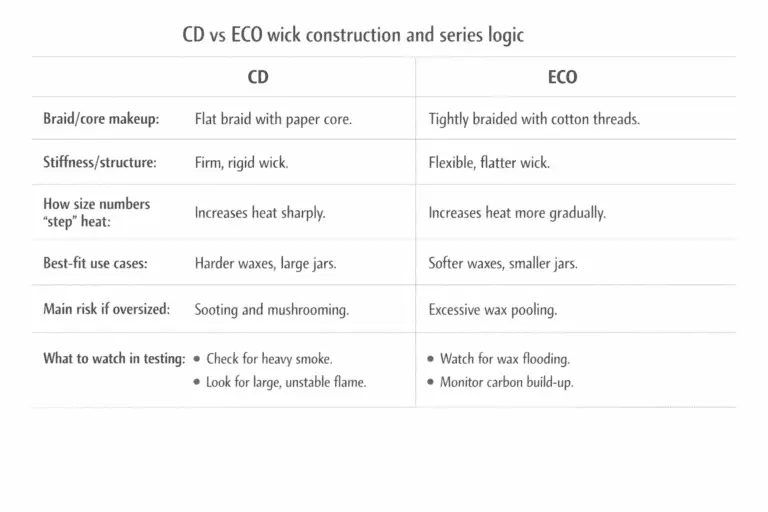
CD and ECO are cotton wick families for single-wick container candles, and on this page “better” means the safer first family to…
Read guide
Choose, size, center, trim and test cotton, paper-core and wooden wicks for different waxes and vessels.
Start with the main guideCD and ECO are cotton wick families for single-wick container candles, and on this page “better” means the safer first family to…
Read guide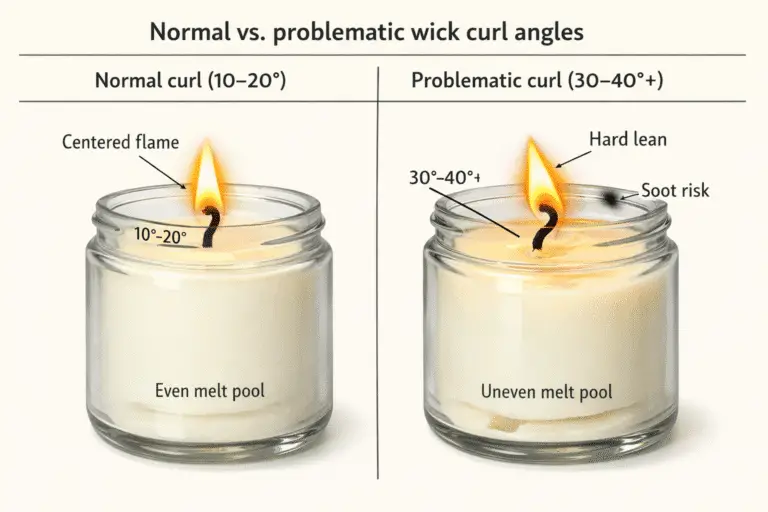
Wick curl is a candle-wick burn behavior where the lit wick bends toward one side as it burns. A small curl can…
Read guide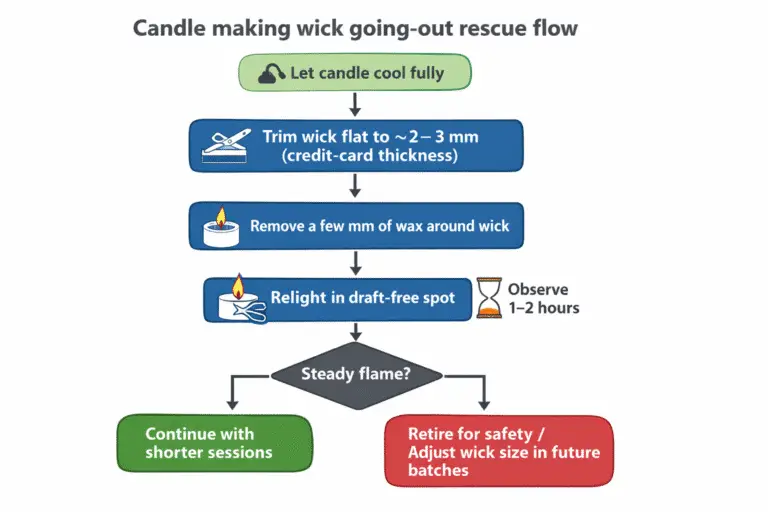
Candle wick problems are burn-performance symptoms that show the wick, wax, jar, or burn conditions are no longer working together as intended.…
Read guide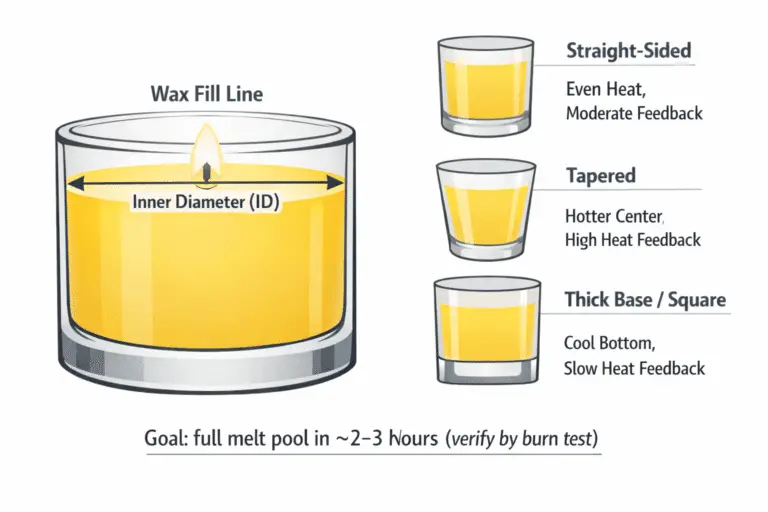
To size a candle wick correctly the first time, match your jar diameter and wax to a wick chart, then verify with…
Read guide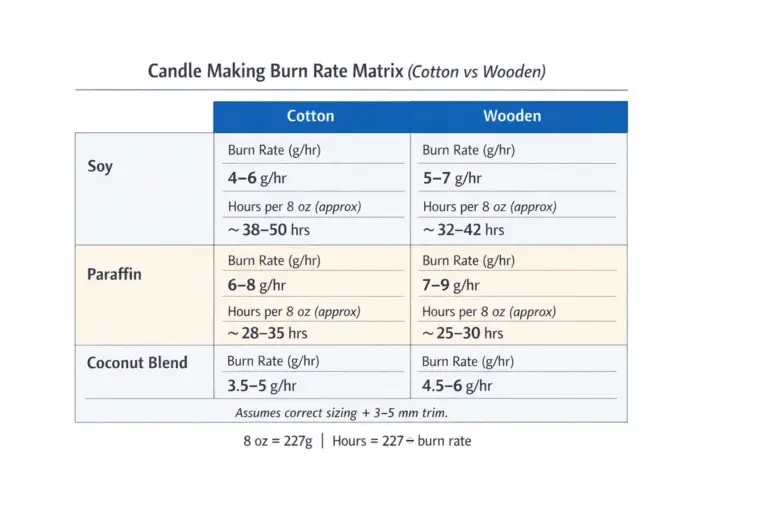
Cotton and wooden wicks are two wick-material options for candle makers, and on this page “burns better” means burns more reliably for…
Read guide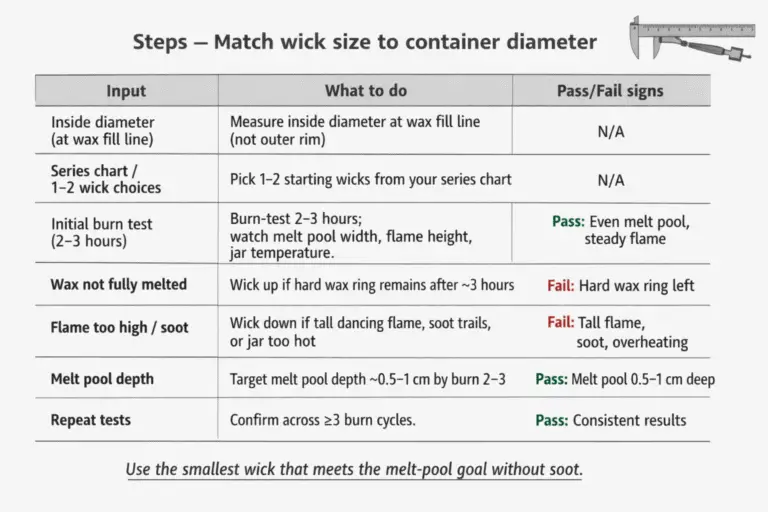
The right candle wick for this page is the smallest starting wick family and test size for a container candle that can…
Read guide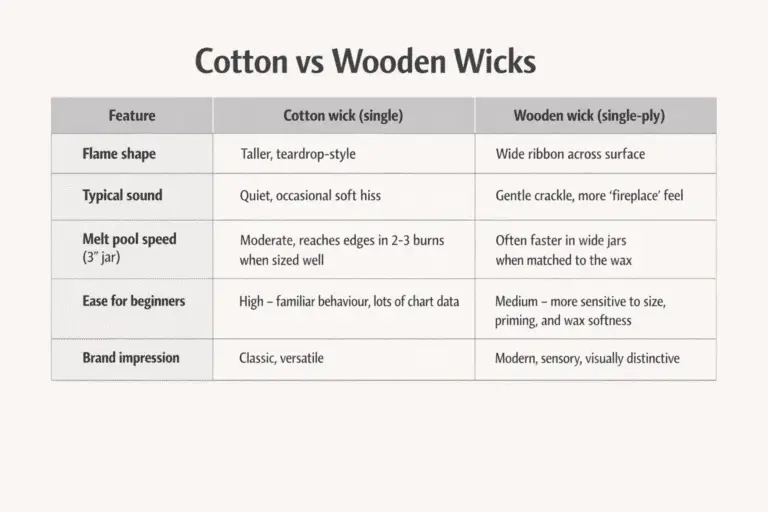
Different types of candle wicks are the main wick families candle makers use as a first classification step: flat cotton, square cotton,…
Read guide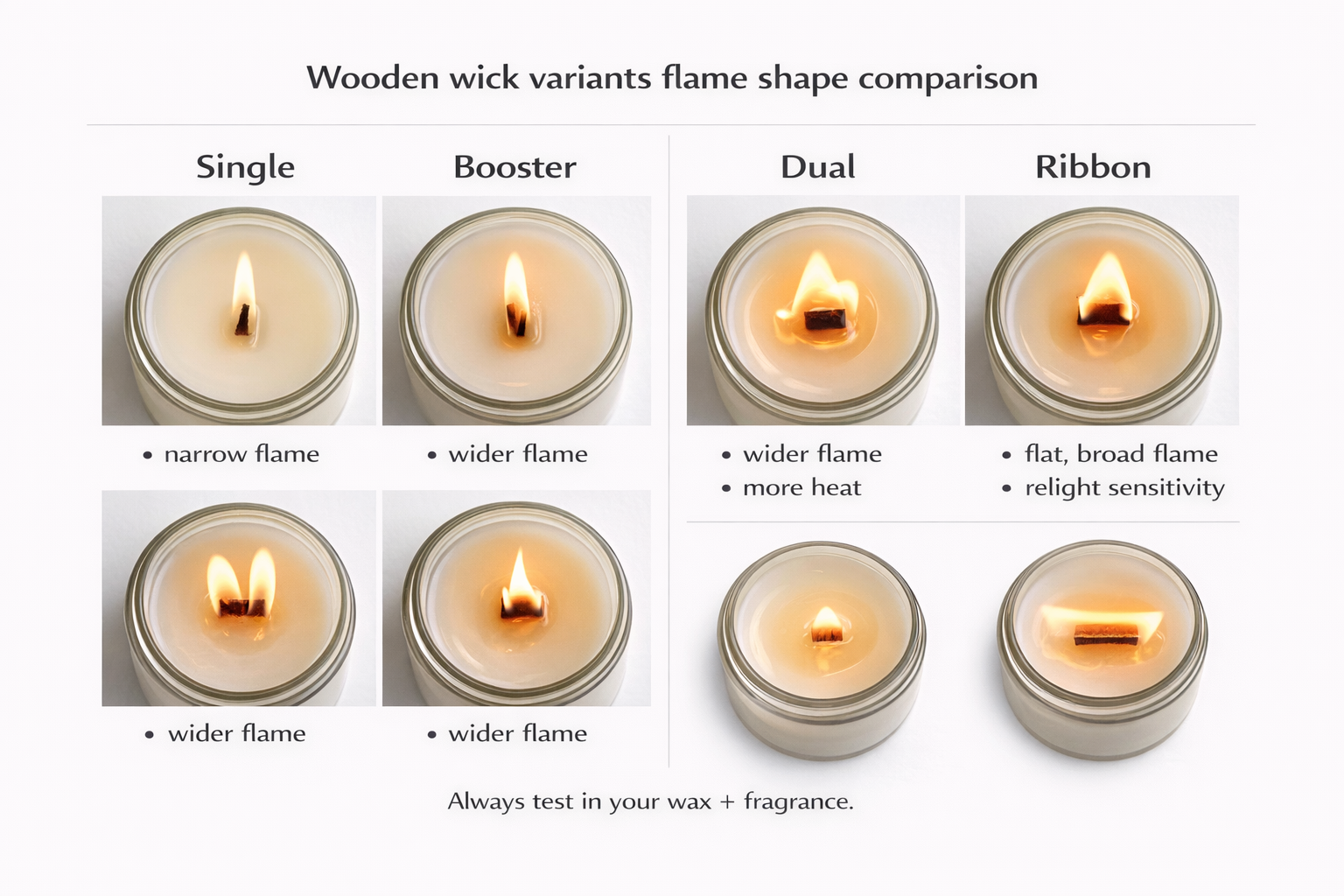
Candle wick types and sizing describe how wick material or family, then wick size, are matched to the wax, vessel, and finished…
Read guide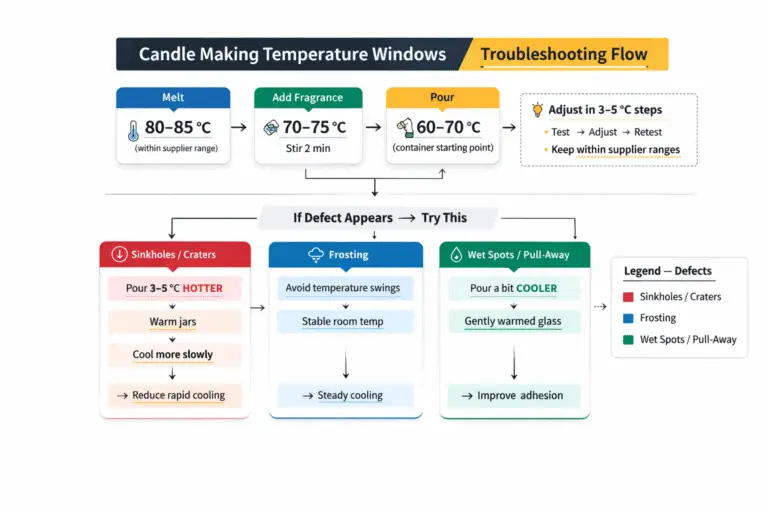
To blend different candle waxes, choose a base and modifier, mix by weight, then confirm the ratio, temperature window, wick, and fragrance…
Read guide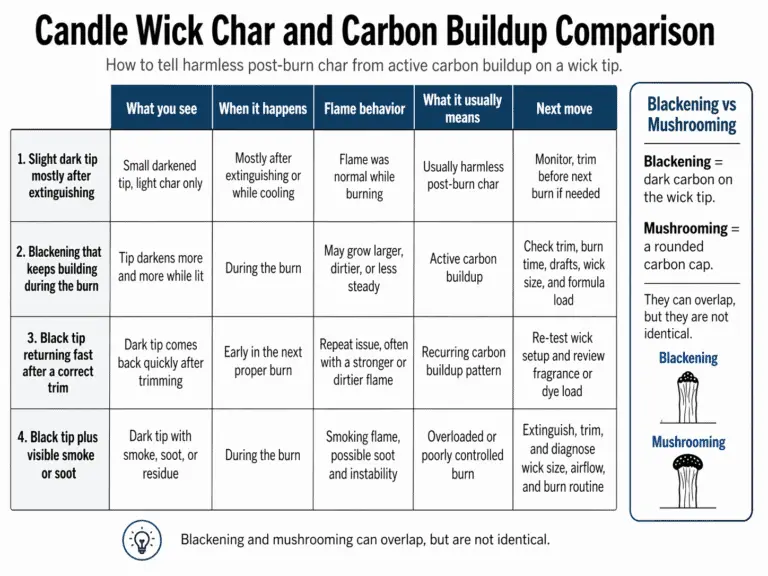
A black candle wick usually means carbon buildup on the wick tip during or after burning, not automatically wall soot, jar staining,…
Read guide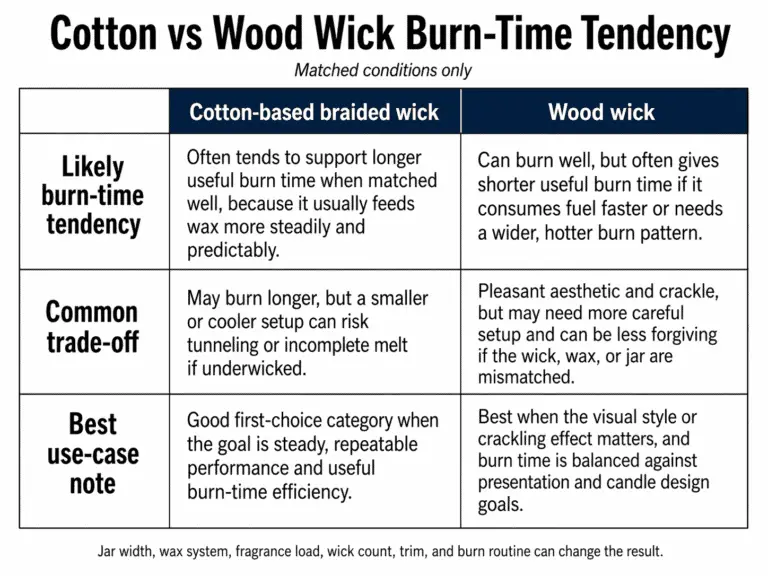
In matched candle conditions, the candle wick that burns the longest is the one that uses wax most slowly while still burning…
Read guide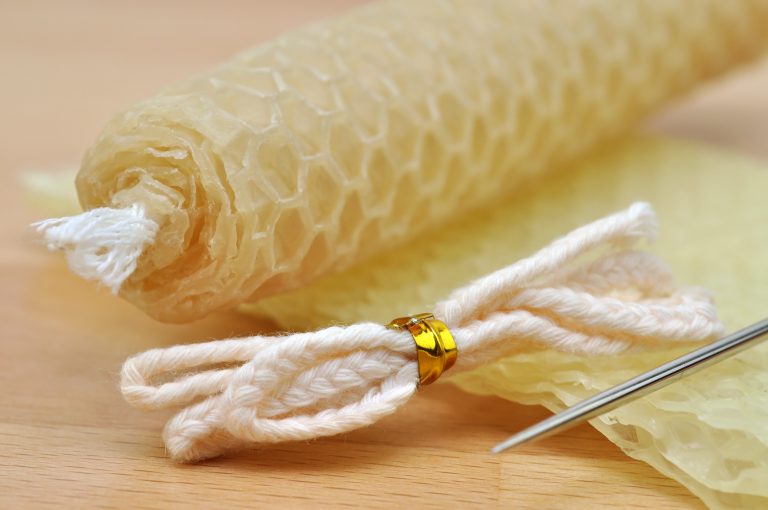
For budgeting, a candle wick usually works out to cents per usable wick rather than a high per-unit expense, and the modeled…
Read guide