Apr 19, 2026
How to Fix Sinkholes in Paraffin Candles
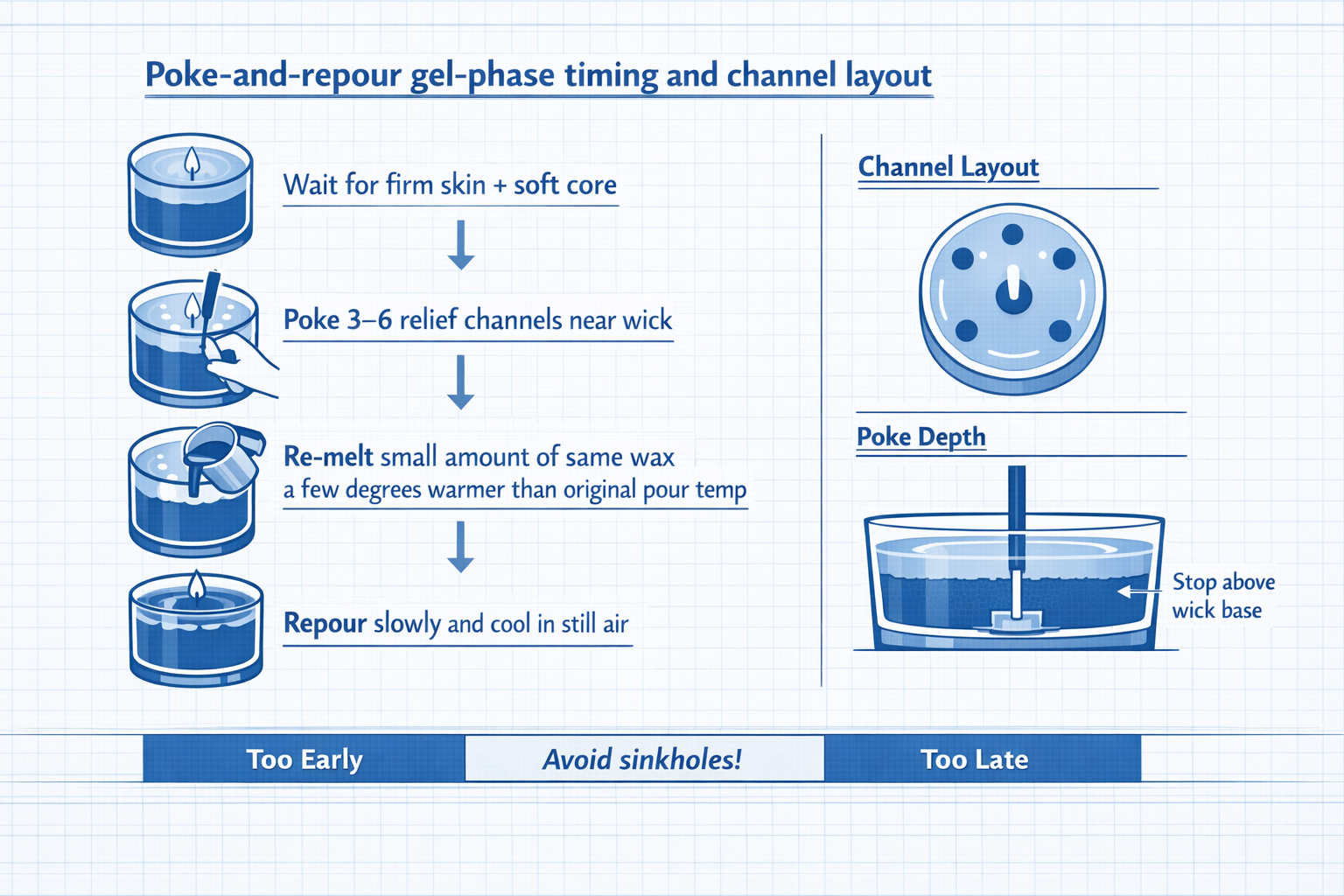
You fix paraffin sinkholes by slowing cooling, pouring within your wax’s tested range, and using poke-and-repour for deep voids or a heat…
Read guide
Diagnose defects and burn problems such as tunneling, soot, mushrooming, wet spots, sinkholes and weak scent throw.
Start with the main guideYou fix paraffin sinkholes by slowing cooling, pouring within your wax’s tested range, and using poke-and-repour for deep voids or a heat…
Read guide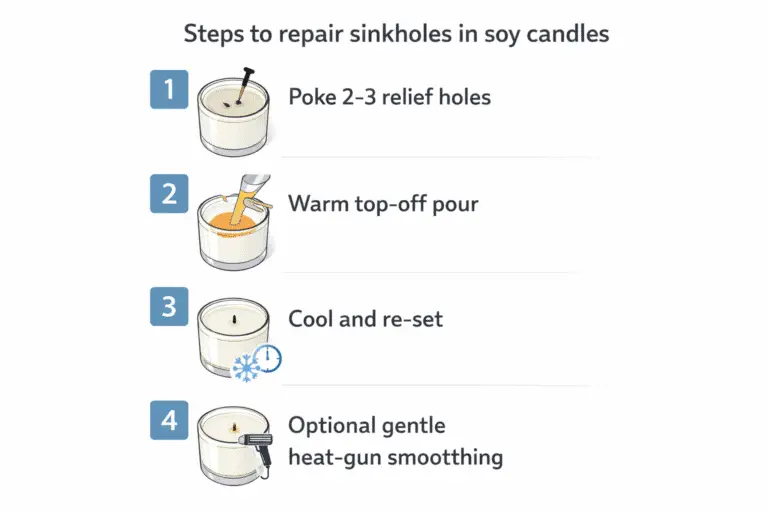
Fix common soy wax candle issues by matching each visible symptom to the cause, changing one variable, and retesting the next batch.…
Read guide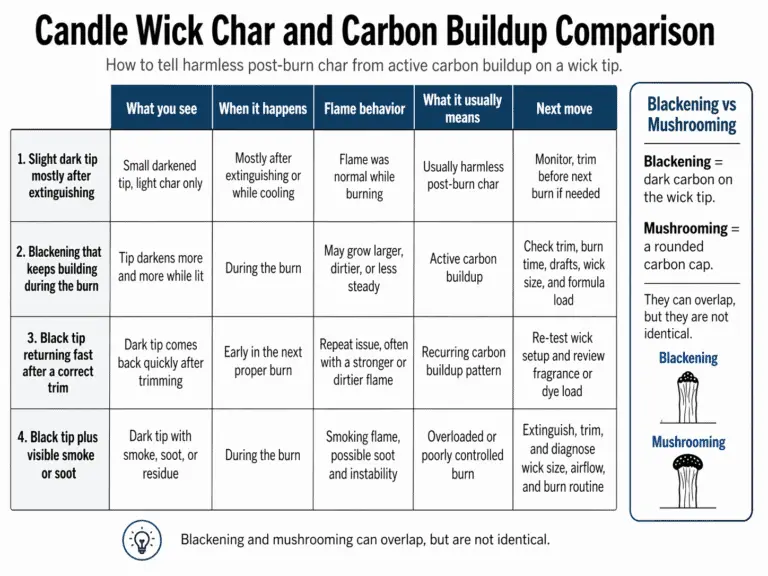
A black candle wick usually means carbon buildup on the wick tip during or after burning, not automatically wall soot, jar staining,…
Read guide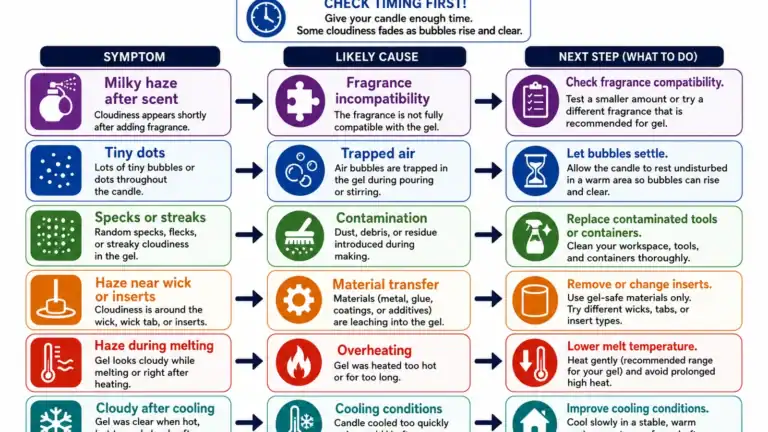
A gel candle turns cloudy when its clear gel structure is disrupted by fragrance oil, overheating, contamination, additives, trapped air, cooling conditions,…
Read guide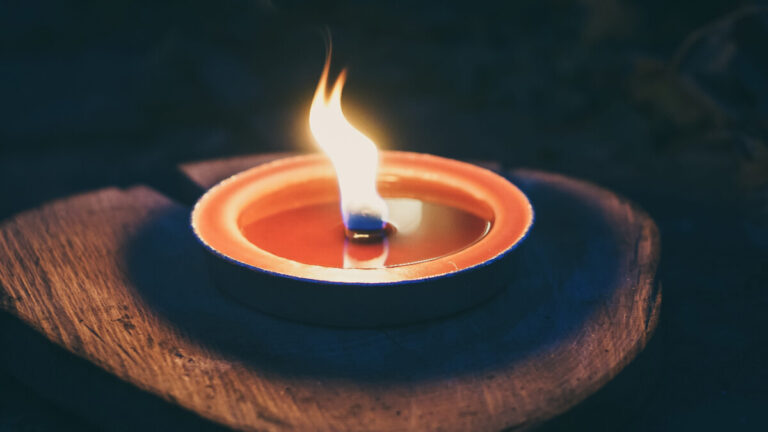
Envision lighting a candle, settling down to relish its soothing glow, when an unexpected popping and crackling disrupts the tranquility. Confusion sets…
Read guide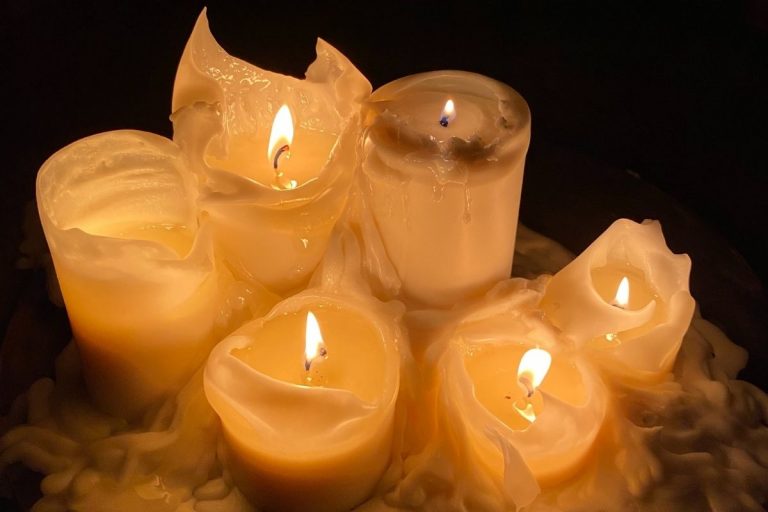
Have you ever lit a candle and noticed that its smoke starts to leave a couple of black marks all over the…
Read guide
If you’ve ever made your own candles, then you might have noticed that they don’t always burn as long as store-bought ones.…
Read guide
Have you ever noticed that it starts to sweat when you place a candle in your home or office? You may be…
Read guide
Candles have been a part of many people’s lives for as long as they can remember. However, we use it so often…
Read guide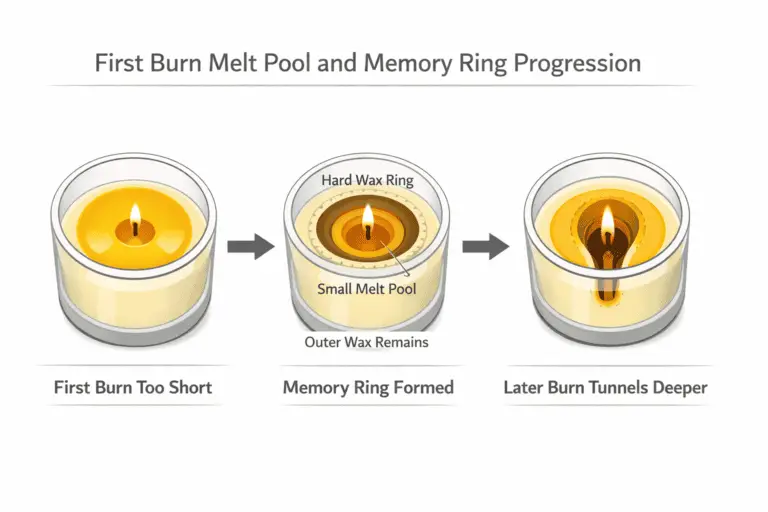
Candle tunneling is a center-down burn that wastes wax, but you can usually diagnose the cause, fix mild cases safely, and stop…
Read guide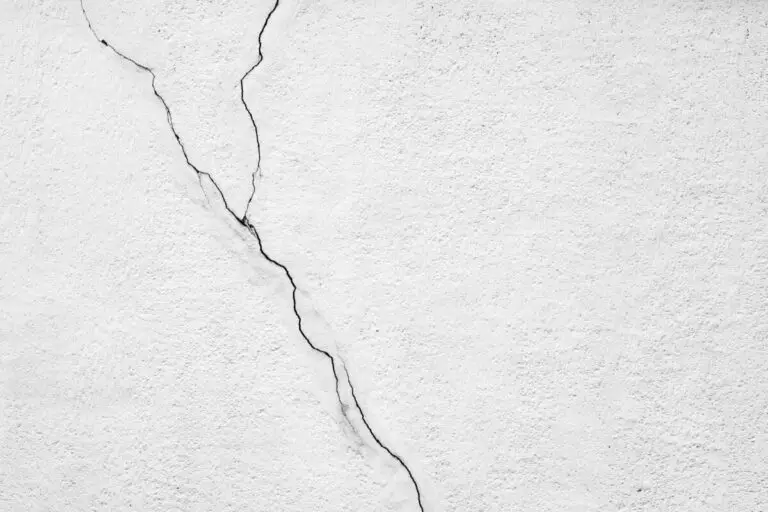
Homemade candles crack because the wax surface hardens faster than the wax underneath. Most cracked tops come from uneven shrinkage, which is…
Read guide
Candles sink in the middle when the outer wax cools and hardens before the center, so shrinking wax leaves a cavity around…
Read guide